
Autism and Siblings: Helping Neurotypical Kids Understand and Cope

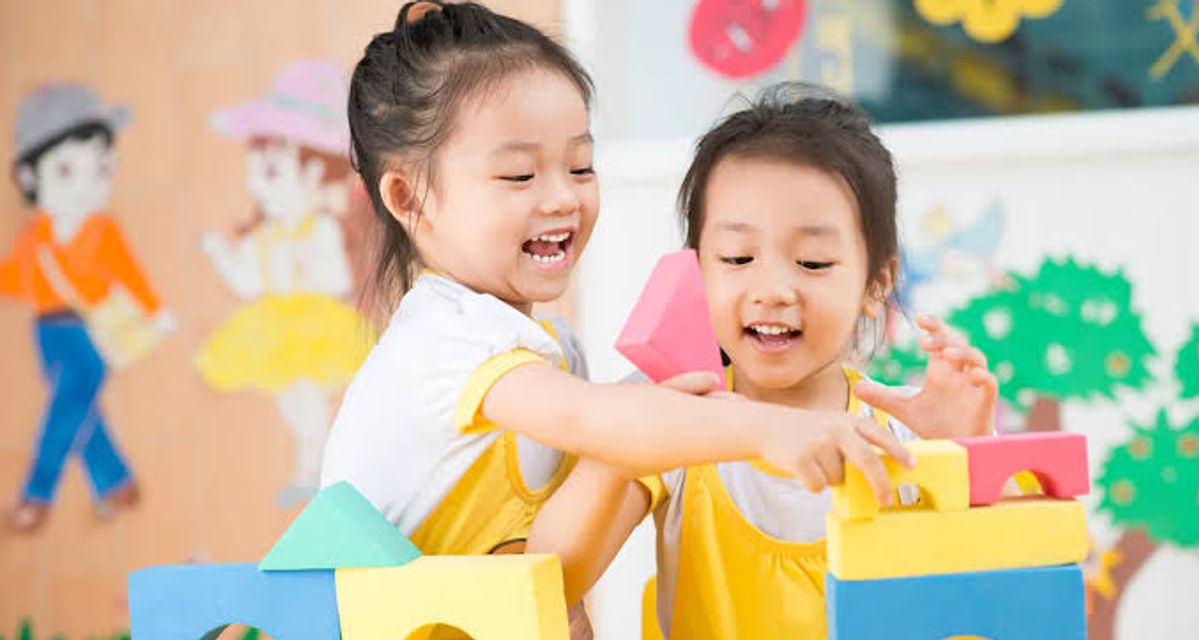
When a child is diagnosed with autism, everything in a family changes at once. The schedule reshapes itself around therapy appointments. The living room fills up with sensory toys and visual schedules. Conversations at the dinner table shift toward IEP meetings, insurance calls, and new therapists. And somewhere in the middle of all of it is another child, or two, or three, watching quietly and wondering where they fit.
Neurotypical siblings of autistic children are often the most affected people in the household that no one is asking about. They love their brother or sister deeply. They also feel things they don't have words for: jealousy, guilt, embarrassment, worry, pride, loneliness, sometimes all in one afternoon. Helping them understand what's happening, and giving them room to feel what they feel about it, is one of the most important and least talked about parts of raising a family with autism.
What the Research Actually Says
Before anything else, take a breath. The research on siblings of autistic children is genuinely mixed, and that's important to know.
Some studies have found that neurotypical siblings are at slightly higher risk of anxiety, depression, and self-esteem struggles, particularly when their autistic sibling has higher support needs. Other studies have found the opposite, with siblings showing higher levels of empathy, perspective-taking, prosocial behavior, and emotional maturity than their peers.
A 2022 systematic review published in Clinical Psychology Review looking at 81 studies concluded that the single biggest resilience factor for siblings was active, adaptive coping, meaning the skills a sibling develops (with support from their parents) to name their feelings and respond to hard moments. That's a hopeful finding, because it points to something families can actively build, not just hope for.
The takeaway: your neurotypical child is not doomed to struggle, and they're not guaranteed to thrive. What you do at home matters a lot.
What Neurotypical Siblings Are Often Feeling
Almost every sibling we hear from cycles through some version of these feelings, sometimes in the same week:
Jealousy. Their brother or sister gets more parental time, more special foods, more accommodations, and often more grace when rules are broken. This is real, and it's normal for a child to notice it.
Guilt. Feeling jealous of a sibling with a disability produces guilt, which produces more difficult feelings, which the child often hides.
Embarrassment. Especially in the tween and teen years, public meltdowns, unusual behaviors, or having to explain their sibling to friends can be genuinely hard.
Worry. Younger siblings often worry that autism is contagious or that they caused it. Older siblings worry about their sibling's future, and about whether they will be expected to become the caregiver someday.
Invisibility. The most common thing neurotypical siblings say in support groups is a version of, "Nobody asks how I'm doing."
Pride and love. This is real too. Many siblings become their brother or sister's fiercest advocate, closest friend, and best interpreter of the world.
Naming these feelings out loud, without judgment, is often the first step to helping a child cope with them.
How to Talk About Autism at Different Ages
Research is clear that siblings do better when they understand what autism is. In the absence of information, they invent their own explanations, and those explanations are often more frightening than the truth.
Ages 3 to 6. Keep it concrete and short. Something like: "Your brother's brain works a little differently. That's why loud noises hurt his ears more, and why he uses pictures to tell us what he wants. He's still learning some things that came easily to you." Answer the questions they ask, and don't overload them with what they didn't.
Ages 7 to 11. You can introduce the word "autism" and explain that it's a lifelong difference in how the brain processes the world. Talk about your child's specific strengths and specific challenges. Books like All My Stripes or My Brother Charlie can help open the conversation.
Ages 12 and up. Older kids can handle more nuance. Talk about the spectrum, about identity, about the fact that autism is not something to be cured but supported. This is also the age when honest conversations about family logistics matter: why plans change last-minute, why certain restaurants aren't options, why weekends look the way they do.
At every age, the underlying message is the same. Your sibling is not broken. Your feelings about being their sibling are not wrong. You are loved and seen for who you are, not just for how helpful you are.
Practical Strategies for Parents
A handful of small, repeatable practices tend to make the biggest difference over time.
1. Protect One-on-One Time, Every Week
Even 20 minutes of undistracted time with a parent, weekly, has an outsized effect. It doesn't have to be elaborate. A walk, a puzzle, a car ride to pick up a prescription. What matters is that the child has a reliable, protected window when they are the main event.
2. Don't Turn Them Into a Caregiver
Neurotypical siblings will often step up naturally, and that's beautiful. What gets harmful is when helping becomes their job, their identity, or the price of parental approval. Let them be a kid. Let them be jealous, moody, uninterested. Their childhood is theirs, not a support role in someone else's.
3. Validate the Hard Feelings Without Rushing to Fix Them
When a sibling says, "I hate when he does that," resist the urge to correct them or explain autism at them. Try, "That was really hard. I noticed too." Feeling heard is what builds the coping skills the research talks about.
4. Give Them Language for the Outside World
Practice, out loud, what they can say when a friend asks a question or a stranger stares. Something short and true: "My brother is autistic. His brain works differently, so loud places are hard for him." Rehearsed language reduces embarrassment enormously.
5. Connect Them with Other Sibs
There are peers out there living the exact life your neurotypical child is living. Sibshops (facilitated workshops for siblings of kids with special needs) exist in many cities, and there are online communities for older kids and teens. Knowing they are not the only one is a game-changer. Kid Care Connect's resources library includes guides on connecting with sibling support networks.
6. Talk About the Future, Honestly, When They're Ready
Somewhere between 10 and 15, most siblings start wondering privately about what will happen to their brother or sister when parents are older or gone. Don't wait for them to bring it up in tears at 22. When they're ready, share your plans in age-appropriate pieces: guardianship, financial planning, the fact that being a sibling does not automatically mean being the future caregiver.
Warning Signs Worth Watching For
Most siblings do fine. Some need extra support. Watch for:
- Persistent sadness, withdrawal, or loss of interest in friends and activities
- A sudden drop in schoolwork
- Perfectionism or excessive people-pleasing (a common sign of a child trying to become "the easy one")
- Anxiety about leaving home or being alone with their autistic sibling
- Physical complaints without a clear cause (stomachaches, headaches)
If any of these persist for more than a few weeks, it's worth talking to your pediatrician or looking for a therapist who works with siblings of children with disabilities. Many of the providers listed on Kid Care Connect have experience supporting whole families, not just the child with the diagnosis.
The Bottom Line
The neurotypical siblings in autism families are not an afterthought. They are growing up inside an experience that will shape their empathy, their identity, and their sense of family for the rest of their lives. Whether that shaping bends toward resilience or resentment depends less on the diagnosis and more on the small, consistent choices parents make: protecting their time, honoring their feelings, giving them language, and reminding them that they are seen for who they are, not just for how much they help.
The goal isn't to raise a child who never struggles with having an autistic sibling. It's to raise a child who knows they can bring the struggle to you, and be met with love every time.
For more support on parenting through this season, explore Kid Care Connect's parent courses and resources library, or create a free parent account to save what's useful for your family.